
The Covid-19 pandemic was a rude shove that caused our working lives and routines to crash, like a Jenga tower. As the world scrambled to adapt, many of our long-accepted practices and beliefs were challenged. We soon learnt that teleconferencing was not only possible but sometimes, more productive under certain circumstances. We also discovered what all that time spent commuting could be better used for when we worked from home.
These new discoveries have triggered what some have called the Great Resignation, a phenomenon in which multitude of workers are leaving their 9-5 jobs in search for better work-life balance and job flexibility. According to one report by a professional recruitment services firm in June 2022, almost half of employees who have been at their current jobs for not more than two years are said to be looking for new jobs in the next six months. 65% of respondents said they were willing to forgo pay-related incentives for better work-life balance, overall well-being and happiness.
As we now transit to learning to live with Covid-19, we now need to ask ourselves what new-found values we must build into the so-called new normal to create better outcomes for everyone.
Empathy
One is empathy. To some extent, the pandemic humanized relationships at work, and to some degree that is important to retain in the post-Covid world. Family members who were once out of sight, like young children, elderly parents (or even pets), made the occasional guest appearances in Zoom calls. It also became a commonplace to share about our family situation with our colleagues because that suddenly had bearing on our professional lives. When someone in the family fell sick, or if the children were running amok around the house, people had to take the armor off, and admit their need for support and understanding from their colleagues. A healthy dose of transparency and vulnerability may build safety at the workplace more than a dozen organized team building activities.
Autonomy
Another value I might suggest holding on to is autonomy. We all discovered that so long as someone got the work done in a timely fashion, to the standard that is required, it really did not matter where he or she was physically. Focusing on outcomes, and trusting people to deliver would likely lead to a happier, more empowered team that would in exchange, do even better work.
Community Life
Finally, the value of community. After two years of enforced isolation, I believe most of us have a new-found appreciation for the importance of community. We are created as social beings and we simply cannot thrive alone. We realize that there is a real opportunity before us to infuse greater meaning and purpose into corporate events that we might have considered merely ritualistic or tokenistic before the pandemic. After all, it is the intention and effort we invest into corporate events and gatherings that make them truly special. Community life is a gift and a blessing if we relate to everyone rightly.
你可能也喜欢
The Place of Change Management in Digital Transformation
Digital transformation has undoubtedly created new changes in multiple areas and levels. With this dynamic change, should not there be a need to relook at change management from a new perspective?
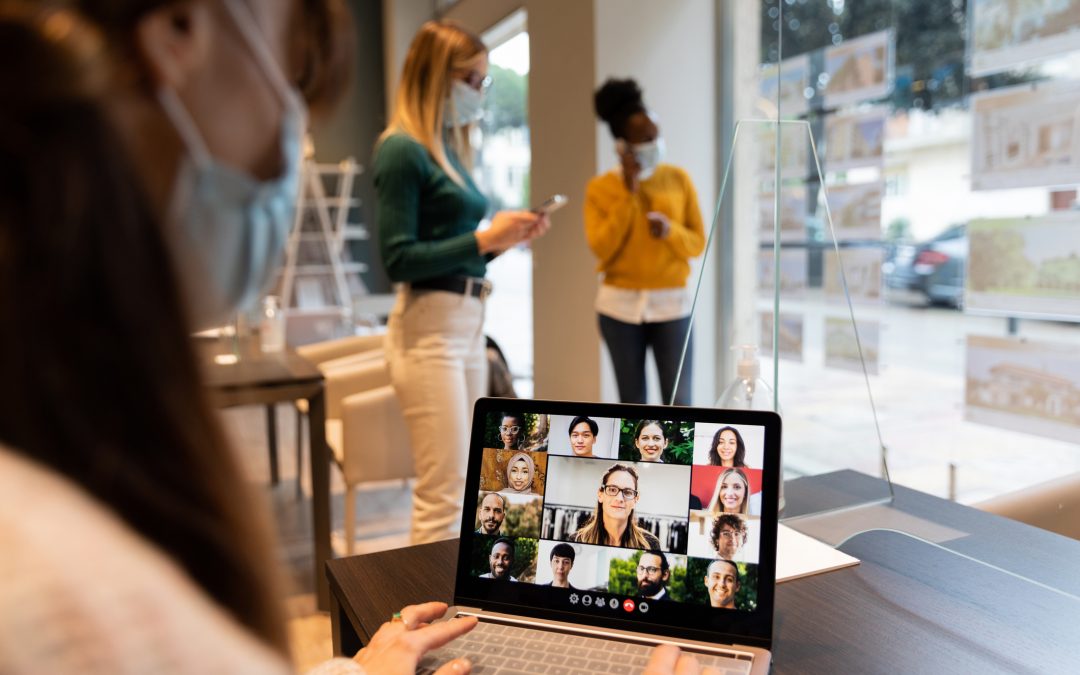
Maintaining Effectiveness in a Hybrid Environment
The scenario of some team members working-from-home, some onsite in the office, or some alternating between the two is pretty much a norm in the workplace today. While we learn to adapt, we also struggle with managing the challenges of maintaining and even enhancing effectiveness.

Is Your Organization Ready for Transformation?
Technological innovations, ingenious business models and social diversities today spawn irresistible forces that disrupt businesses. Both massive revolutionary and abstruse evolutionary changes underpin powerful dynamic tensions in business management.